Professional Quick Oil Change Carrollton
Why Choose a Full Service Oil Change: Your Guide to Quality Maintenance
Selecting a full-service oil change is a crucial aspect of car upkeep. This process goes beyond simply changing oil and filters; it encompasses thorough inspections of critical engine components. Appreciating the benefits of these extensive oil changes can lead to improved performance and lifespan of the vehicle. However, many vehicle owners may neglect the specifics of what makes a full-service oil change beneficial. Exploring these details reveals why this choice is essential for ideal car care.
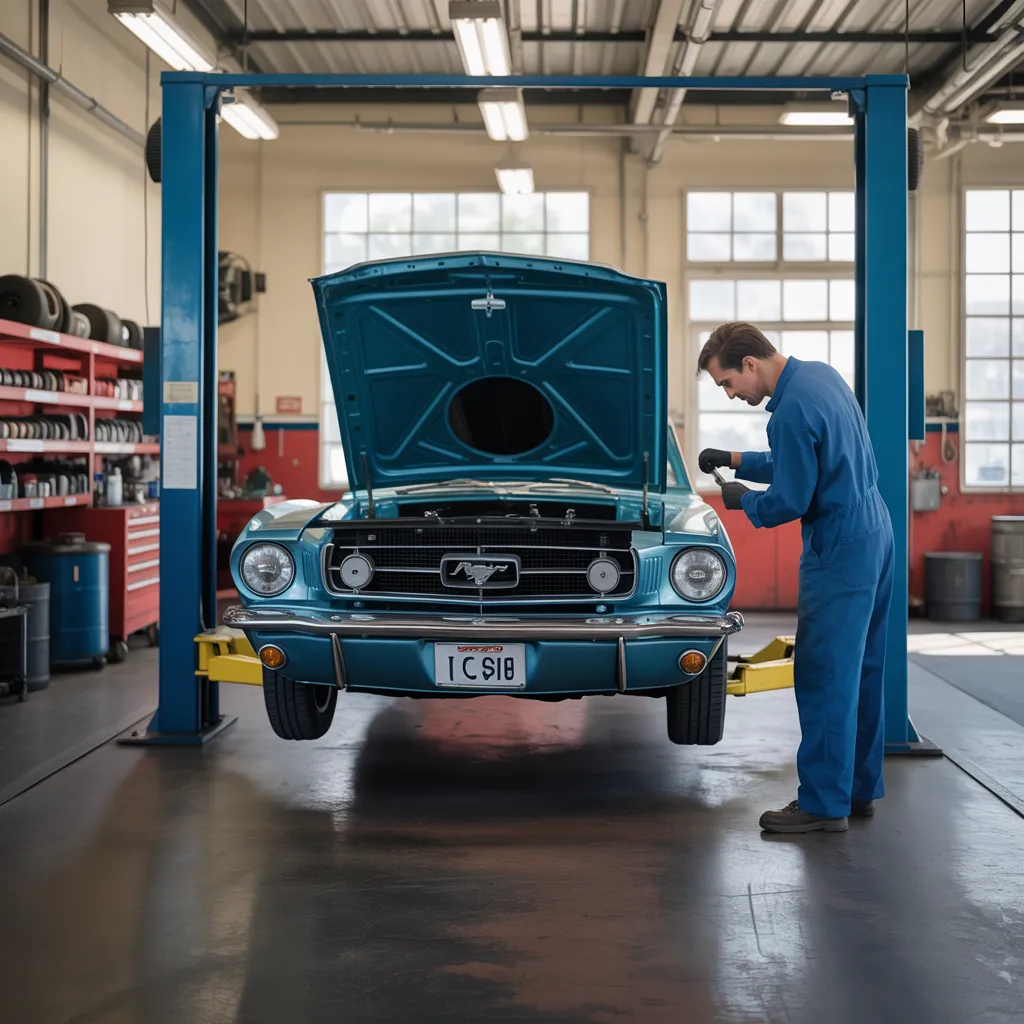
Why Regular Oil Changes Matter
Regular oil changes are vital for maintaining a vehicle's performance and longevity, as they guarantee the engine runs smoothly and efficiently. Engine oil lubricates moving parts, minimizing friction and protecting against deterioration. As time passes, oil deteriorates because of thermal stress and pollutants, losing its effectiveness. This may result in accelerated engine deterioration, diminished performance, and possible harm.
Regular oil changes help maintain ideal engine temperature, as clean oil successfully manages engine heat. Moreover, they boost fuel efficiency, since a properly lubricated engine needs less effort to run. Skipping oil changes can cause significant repair costs and diminish the longevity of your vehicle.
Furthermore, routine maintenance can enhance resale value, as a detailed service history indicates diligence and dependability. To summarize, consistent oil changes are a fundamental part of car maintenance, providing both protection and performance for the motor over time.
The Fundamentals of a Full-Service Oil Change
A thorough oil change process encompasses multiple important aspects that provide optimal engine performance. First, technicians select the suitable oil type according to the vehicle's requirements, ensuring maximum lubrication and efficiency. This is accompanied by replacing the oil filter, which removes contaminants and keeps them from flowing in the engine.
Additionally, a comprehensive oil visit resource change typically includes an extensive inspection of several engine elements, such as belts and hoses, which enables the discovery of potential problems before they worsen. Checks of tire pressure and assessments of fluid levels, including coolant and brake fluid, are also typical components during this service.
These fundamental tasks not only extend engine life but also support overall vehicle safety. By adhering to these practices, vehicle owners can confirm that their engines run smoothly and efficiently, ultimately reducing the likelihood of costly repairs in the future.
What Takes Place During a Full-Service Oil Change?
In the course of a complete oil change, technicians meticulously follow a set of systematic steps aimed at achieving optimal engine performance. First, they raise the vehicle to reach the oil pan and filter. The used oil is subsequently removed, removing impurities and contaminants accumulated over time. After this step, the technician replaces the oil filter to guarantee optimal filtration for the fresh oil.
After this step, fresh oil is introduced, adhering to the automaker's specifications for type and viscosity. The service professional also examines other essential components, including the air filter, fluids, and belts, offering suggestions for further service if required. Lastly, a thorough inspection of the exterior and undercarriage of the vehicle can reveal other possible concerns, ensuring all-encompassing care.
This structured method boosts engine performance and simultaneously extends the lifespan of the vehicle, making full-service oil changes an excellent investment for car owners.
Vehicle Oil Types
Knowing the correct variety of oil for a vehicle is vital for preserving engine health. Vehicles typically employ one of three principal types of oil: conventional, synthetic, or a blend of both. Conventional oil, derived from refined crude oil, is widely utilized in older models and provides adequate protection at a lower cost. Synthetic oil, formulated in laboratories, delivers superior performance, particularly in extreme temperatures, and is ideal for modern engines demanding higher efficiency. Lastly, synthetic blends integrate the benefits of both conventional and synthetic oils, delivering enhanced protection at a moderate price point.
Picking the appropriate oil also involves factoring in the automobile's manufacturer specifications, which outline viscosity ratings and oil standards. Complying with these recommendations guarantees optimal lubrication and works to prevent engine wear, thereby prolonging the longevity of the vehicle. Knowing these oil types empowers automobile owners to make informed decisions during regular maintenance.
Enhancing Engine Performance With Complete Oil Changes
Periodic full-service oil changes can considerably boost engine performance and longevity. By replacing old, degraded oil with clean, superior-quality oil, the engine functions more seamlessly and productively. This service works to minimize friction between engine parts, which in turn reduces mechanical wear and tear. Moreover, comprehensive oil change services commonly feature the changing of the engine oil filter, guaranteeing that harmful particles are efficiently cleared from the oil flow system.
This thorough approach not only ensures optimal lubrication but also assists in managing engine heat, preventing overheating. Improved engine performance is often noticeable, with improved acceleration and greater fuel economy. Furthermore, keeping up with routine oil changes can increase the longevity of the engine, enhancing the overall dependability of the vehicle. By making full-service oil changes a priority, drivers can ensure their engines operate at optimal levels, avoiding unnecessary costs associated with major repairs over time.
Essential Maintenance Tips for Your Vehicle Between Oil Changes
Preserving a vehicle in between oil changes is vital for ensuring enduring performance and reliability. Consistently monitoring fluid levels, such as power steering fluid, coolant, and brake fluid, works to prevent future complications. Routine tire upkeep, including inspecting tread depth and air pressure, is vital for fuel efficiency and safety. In addition, checking wipers and headlights guarantees visibility in various conditions.
Regular washing of the vehicle, inside and outside, safeguards the paint and interior surfaces. It is also important to monitor any unusual noises or warning lights, as these can indicate underlying problems. Keeping the battery terminals clean and verifying the battery is properly secured can avoid startup problems. Finally, adhering to a regular schedule for rotating tires and replacing air filters promotes the general well-being of the vehicle. By implementing these practices, vehicle owners can increase the longevity of their cars and elevate their overall driving experience.
When to Book Your Next Full-Service Oil Change
What is the best time to book a full-service oil change? Specialists suggest sticking to the manufacturer's recommendations, commonly detailed in the owner's manual. The majority of vehicles need an oil change between 3,000 and 7,500 miles, according to the oil variety and road conditions. Advanced synthetic oils have the potential to extend change intervals, while frequent short trips or extreme weather conditions may necessitate more regular changes.
Additionally, signals such as the oil change indicator or strange engine sounds can indicate the need for prompt attention. Regular monitoring of oil quality and levels is vital; if the oil appears dark or gritty, an oil change is needed. Scheduling a full-service oil change during routine maintenance check-ups can also help avert significant problems in the future. Ultimately, keeping up with oil changes significantly enhances the lifespan and efficiency of the automobile.
Common Questions and Answers
How Long Does a Full-Service Oil Change Typically Take?
A comprehensive oil change usually takes anywhere from 30 minutes to an hour. The time required may differ depending on the technician, make and model of the vehicle, and any supplementary repairs or checks carried out during the appointment.
Can I Wait Longer Than Recommended Between Oil Changes?
Going beyond the recommended period between oil change services can lead to mechanical wear and decreased efficiency. It's advisable to follow the manufacturer's specifications to ensure peak vehicle health and longevity. Routine upkeep is critical.
Which Oil Brands Do You Use for Full-Service Oil Changes?
Well-established repair facilities typically use top-tier products such as Valvoline, Pennzoil, Mobil 1, and Castrol for full-service oil changes. Such brands are recognized for their reliability and performance, providing outstanding engine safeguarding and enhanced performance.
Is an Appointment Necessary for an Oil Change?
Yes, it is recommended to schedule an appointment for an oil change. This provides timely service, shortens wait times, and permits the service provider to manage resources efficiently for the proper maintenance of the vehicle.
Do Full-Service Oil Changes Come With Any Warranties?
A large number of full-service oil change centers offer warranty coverage that cover both parts and labor. These service warranties typically protect against defects or issues stemming from the service, guaranteeing satisfaction for vehicle owners and greater peace of mind for routine vehicle upkeep.